HaSfina, The Oriah Shaviro Youth Center
Participating Artists: Yocheved Frimer Ofan, Silvia Harati, Terry Hirsch, Hana Libi Yaar, Inbal Lusky Erenfeld, Marc Provisor, Cindy Richard, Erica Weisz
In the book of Ecclesiastes, Kohelet the son of David searches for the meaning of life, to no avail. He repeatedly states that all is “Hevel”. But what does “Hevel” mean? Often, it is translated as “devoid of meaning” or “frivolity”’ but the word’s range is far greater; it means “breath”, “vapor”, “steam” -- but also “nonsense” and “absurdity”.
The first place in the Hebrew Bible that we encounter the word is as the name of Cain’s brother (the sons of Adam and Eve). Abel (Hevel) is murdered by Cain out of jealousy born from God’s preference for Abel’s sacrifice. This man is far from meaningless, but his death is the first in the Biblical narrative, and as such, Abel’s death is the first time we encounter the transient and fragile nature of life.
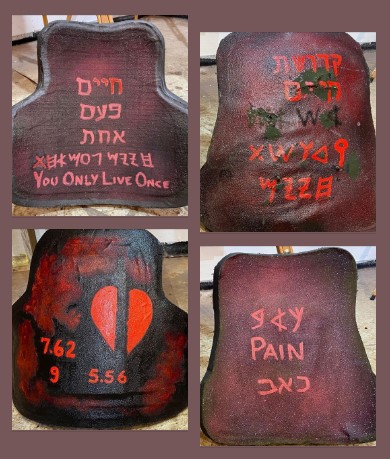
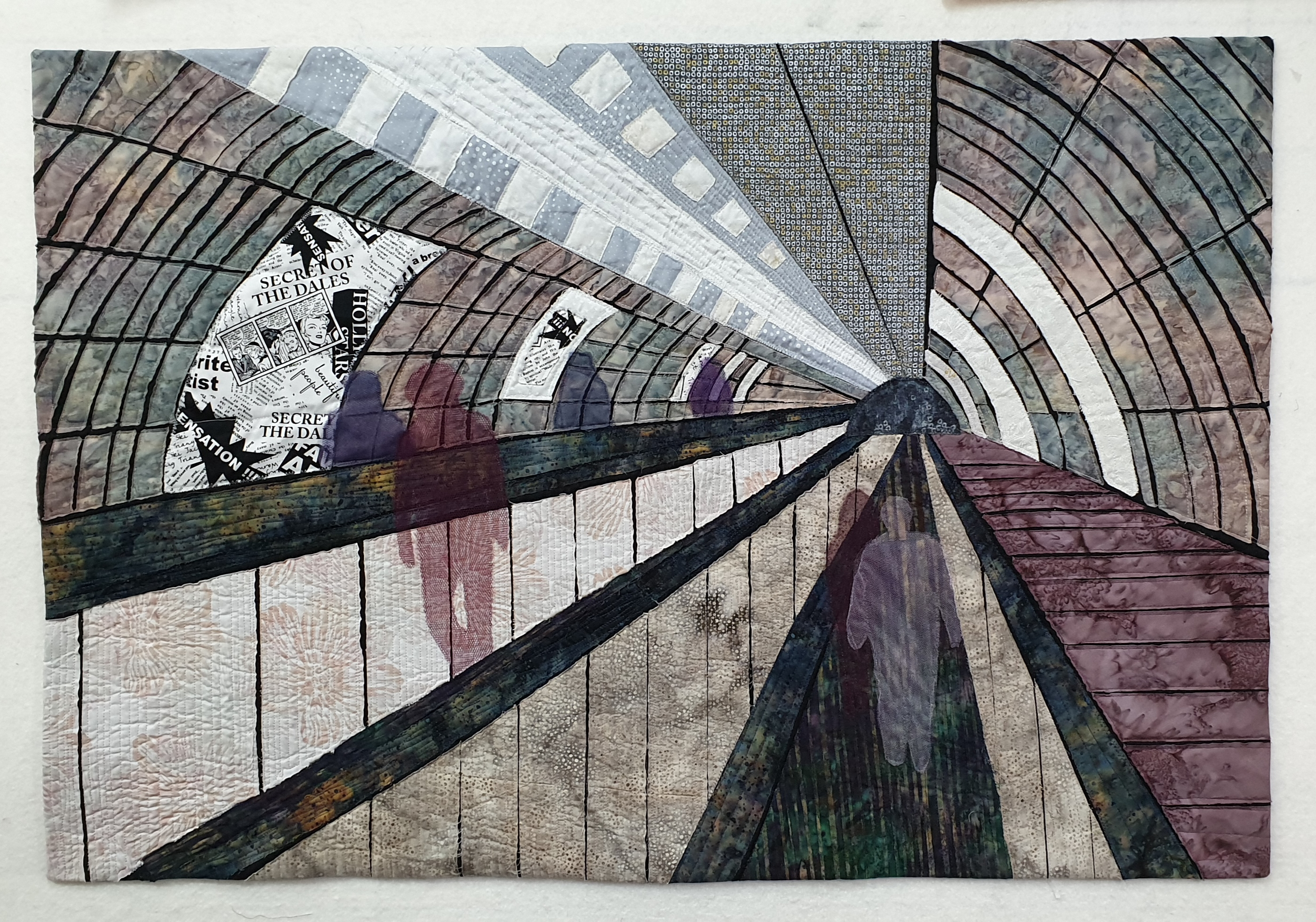
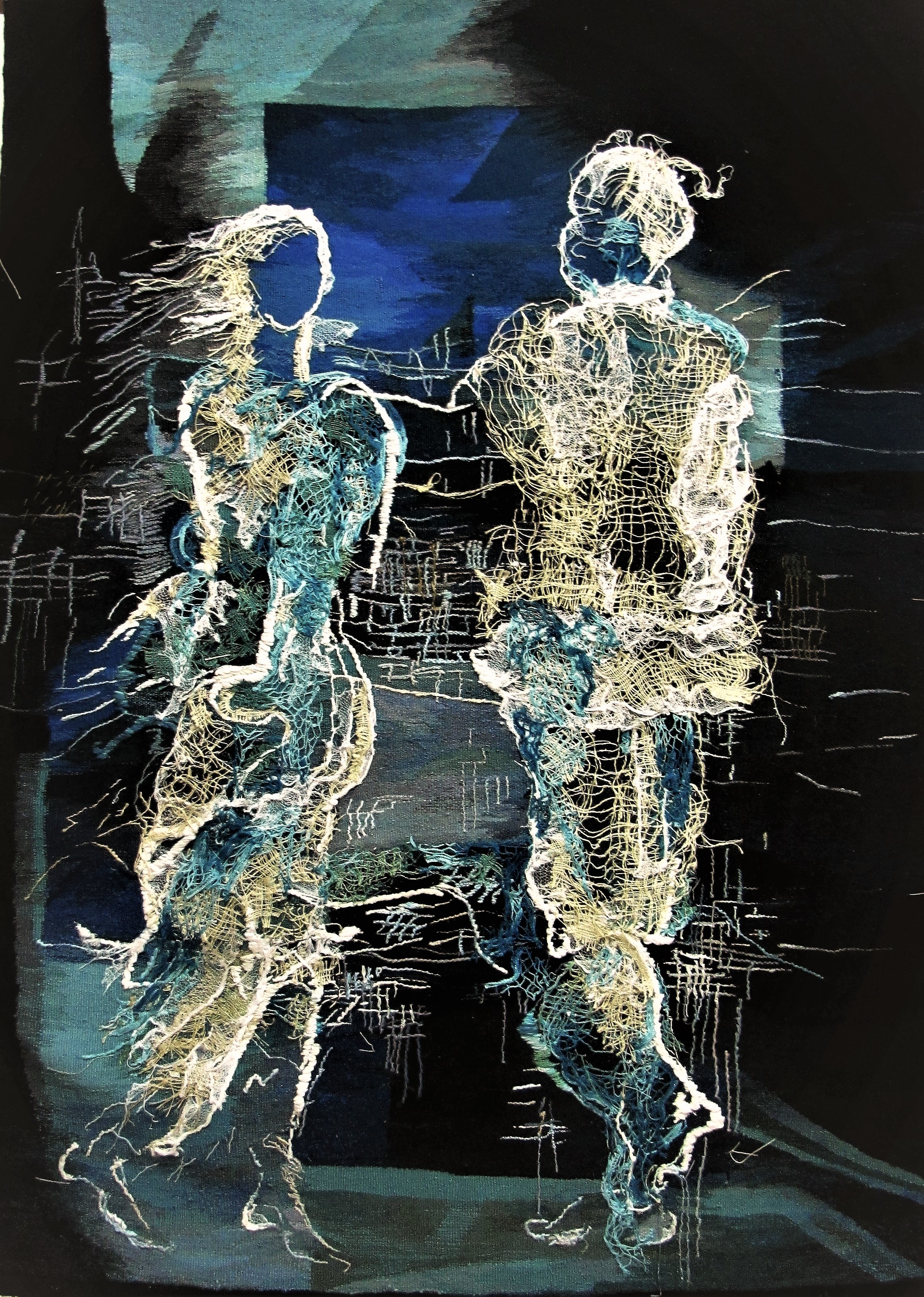
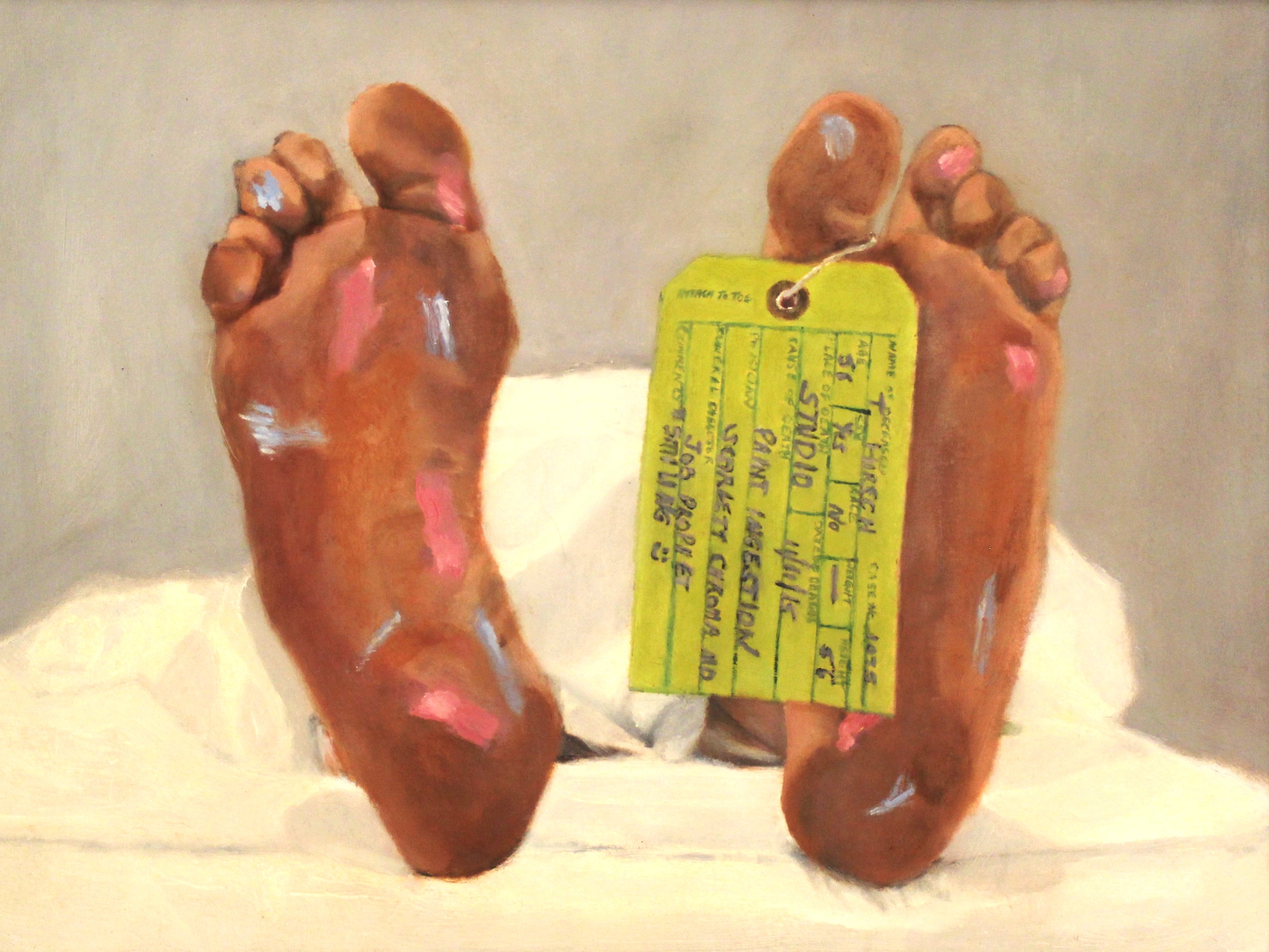
All the works in this exhibition relate to the word Hevel and explore its many meanings. Like Kohelet the son of David, each artist is searching for the significance of life and trying to understand the human experience.
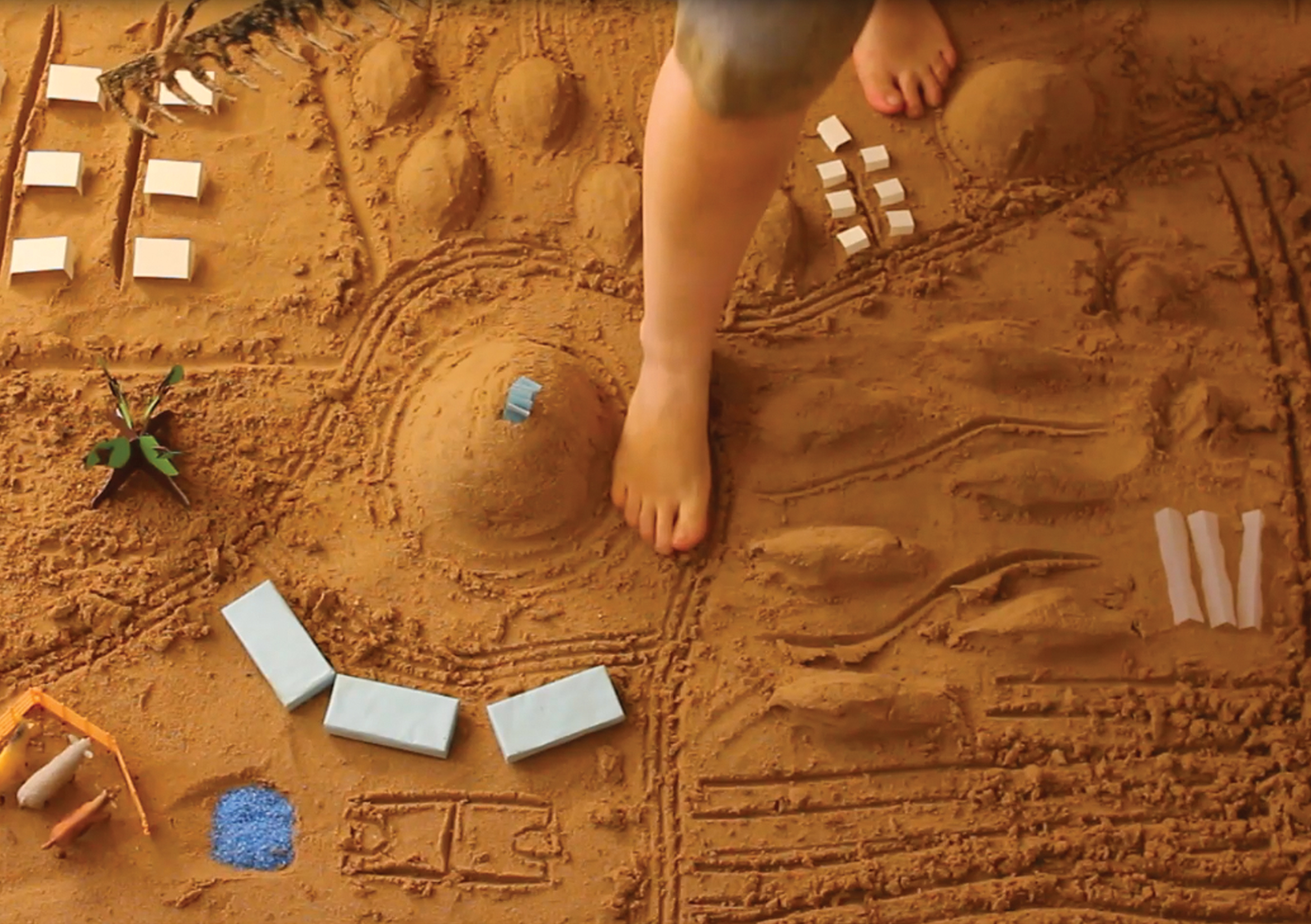
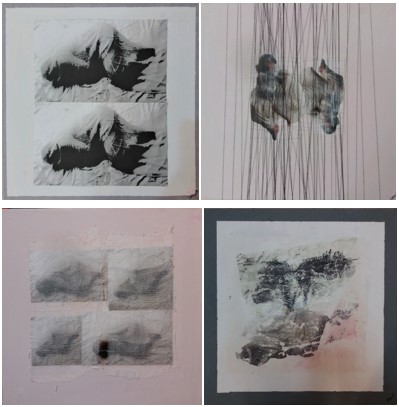
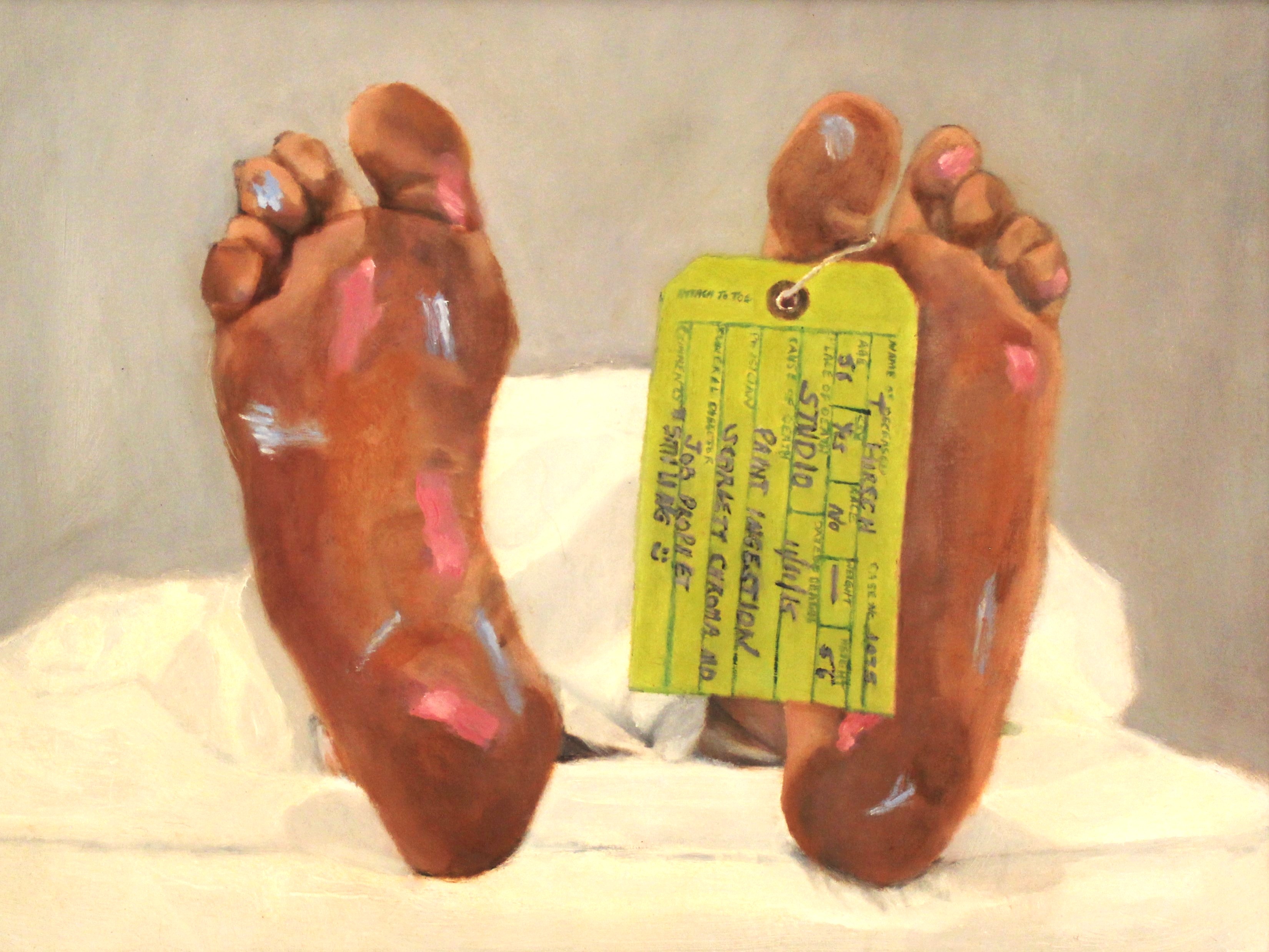
Themes of life, death and rebirth surface in the works of Marc Provisor, Cindy Richard and Silvia Harati. The bridge between reality and fantasy, and issues of mental health, become apparent in the work of Hana Libi Yaar. The changing and difficult nature of love, human connection and relationships are the main subjects of the works of Inbal Lusky Erenfeld and Erica Weisz. Terry Hirsch touches on issues of freedom and its absence, as well as self-doubt and fear. Yocheved Frimer’s video-art piece broaches betrayal and destruction.
Together, these works encompass much of Kohelet’s journey. Kohelet concludes that only the service of God makes life meaningful. If not for the existence of an eternal higher power, all is meaningless and ephemeral to him. Some literary scholars postulate that Kohelet’s final sentences were written by someone else, because they are so different in style, whereas religious scholars contend that the whole book leads up to this conclusion.
Kohelet’s quest is not unique. As he says himself, “there is nothing new under the sun.” Each person must embark on their own journey, and search in the hardships and the joy of their experiences for what is meaningful to them. In the works of these artists, we are granted a glimpse into their introspection and an opportunity to reflect on our own paths.
A generation comes, a generation goes; the sun rises and sets and then does it again; the rivers flow to the sea but it is never full; the wind blows around and comes back again. And where does a single person fit in this seemingly endless repetition? What is one human being in the vast expanse of the universe? Perhaps it is the transient nature of our lives that makes them so beautiful and dear. Scarcity is value; our time is short and therefore precious.
.jpeg)
_on_printed_paper,_30x21_cm_(2).jpg)