At What Age Can a Child Start to Learn Art Literacy?
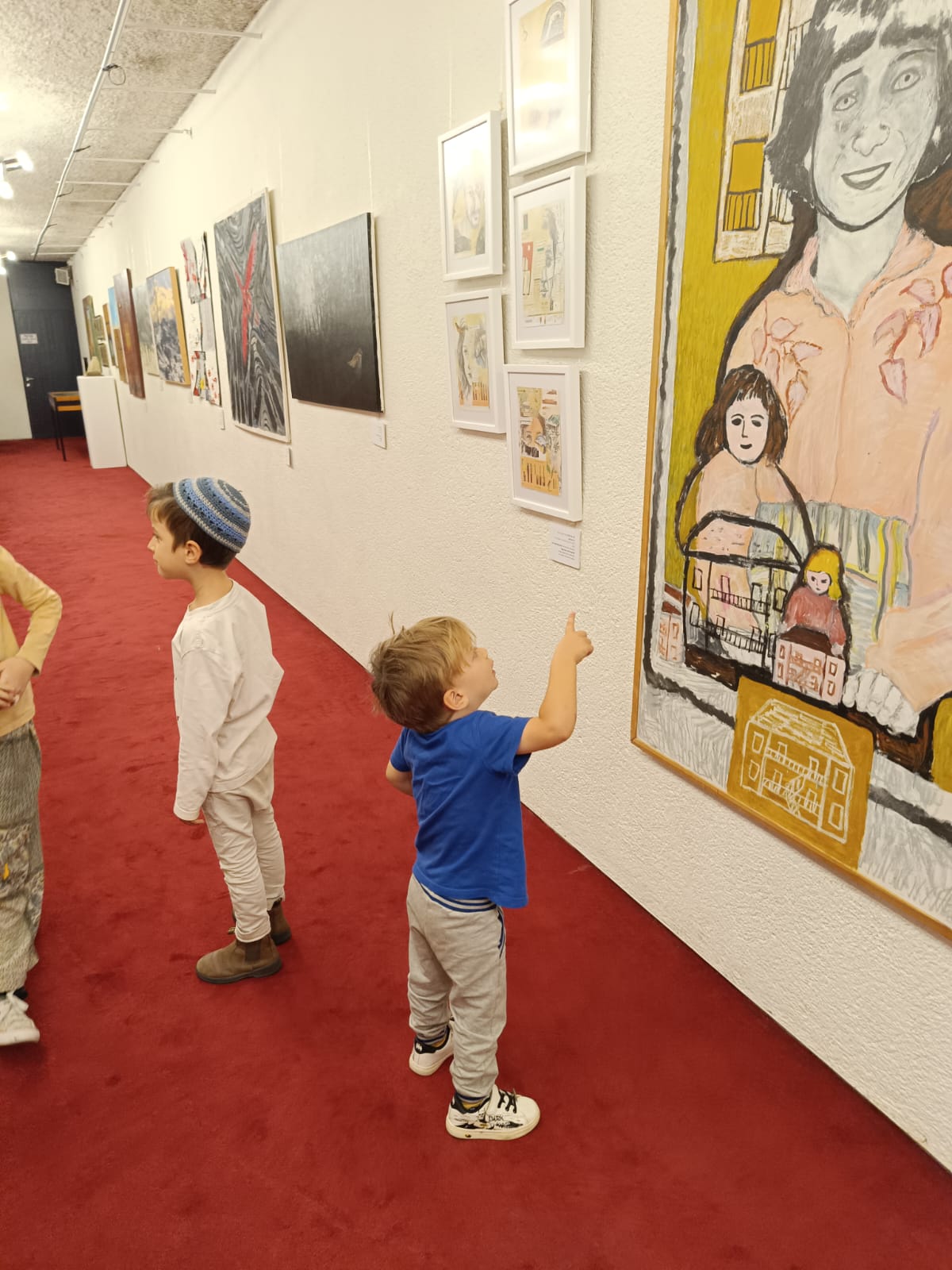
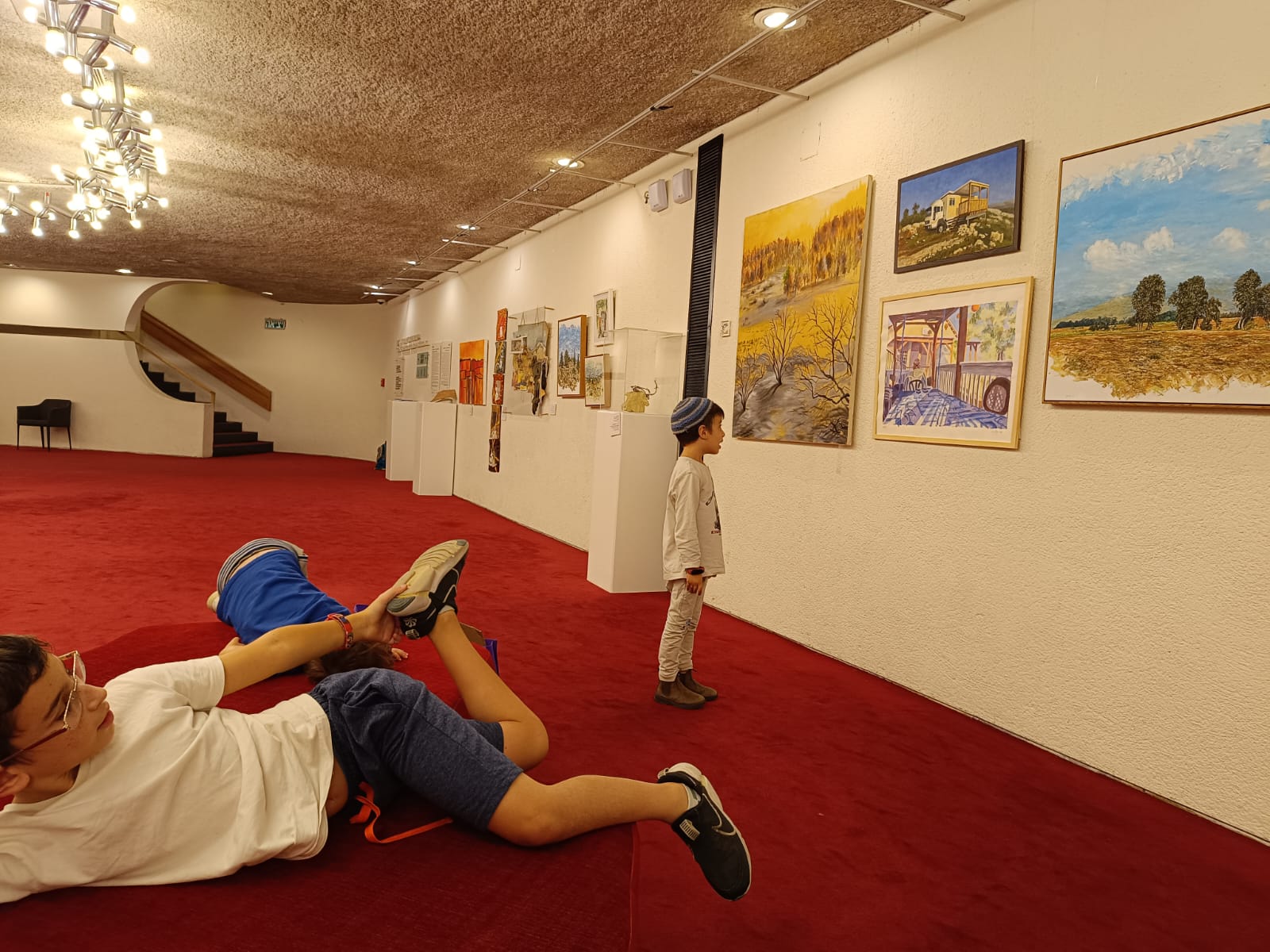
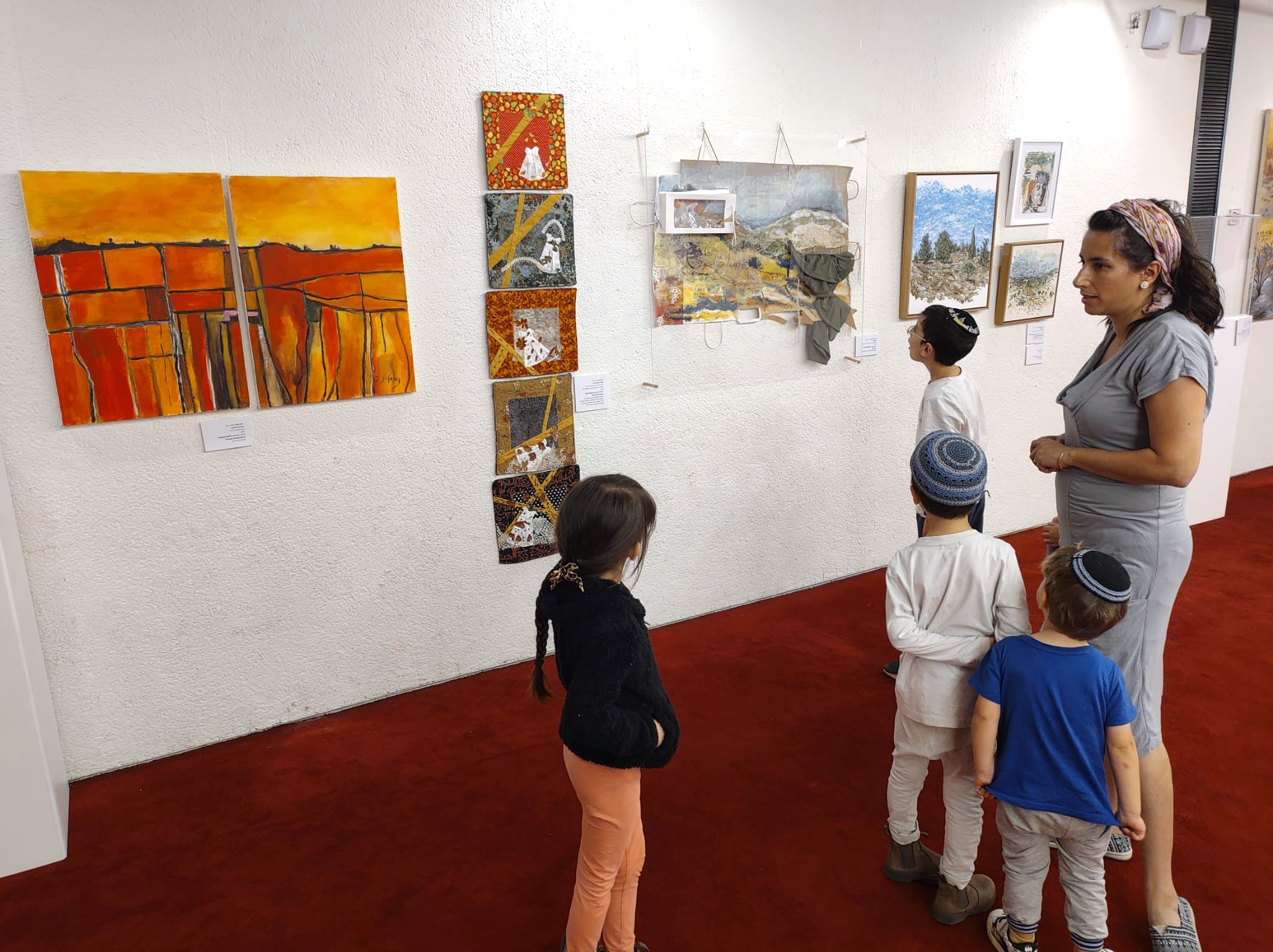
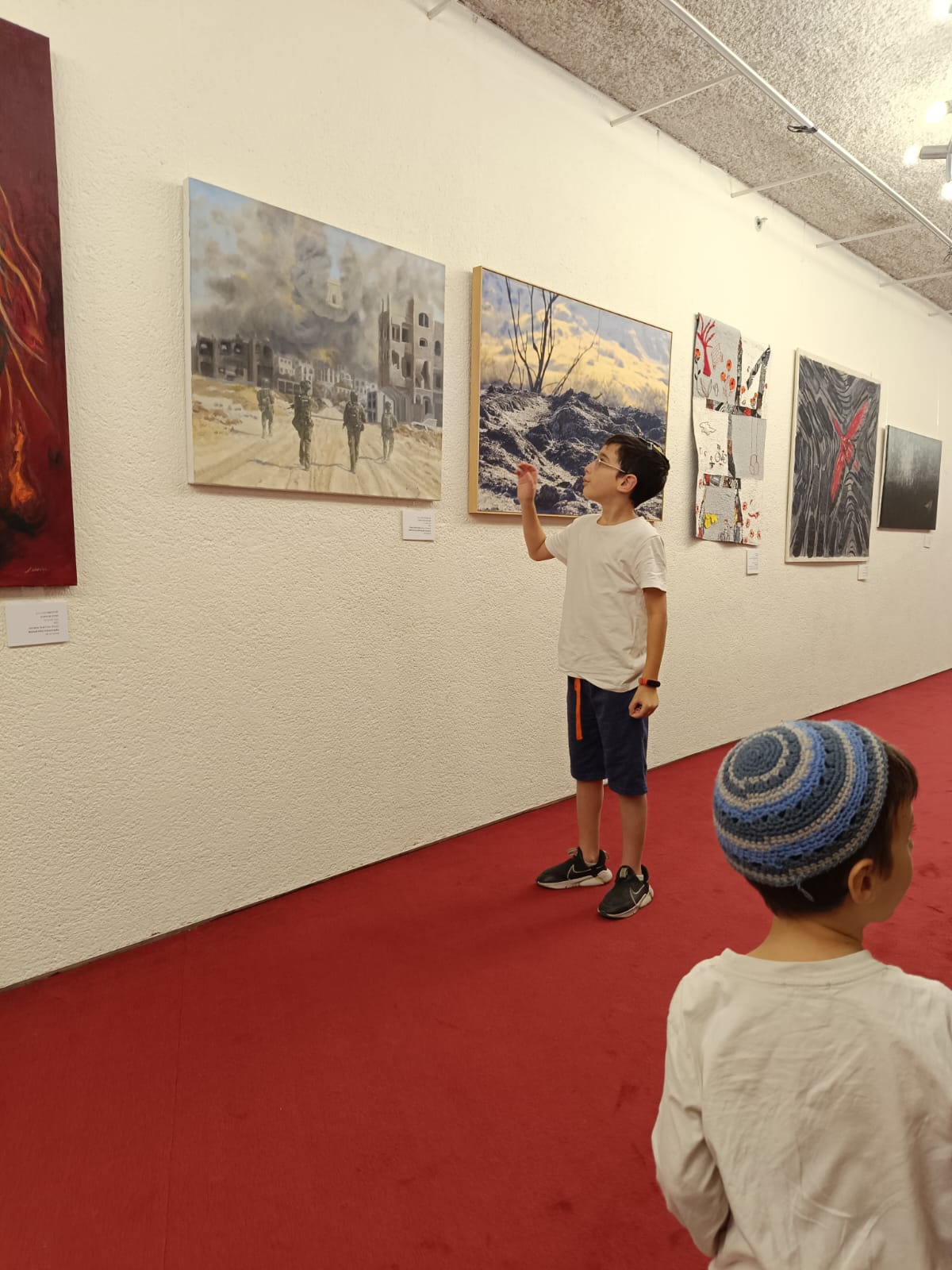
I took my kids to the Adama exhibition, and their two young cousins joined us — the group ranged ages 3 to 9. Instead of me lecturing to them, I wanted to use the opportunity to teach them how to experience art, how to look closely, think independently, and become little connoisseurs.
We began with a short, age appropriate introduction and looked together at a few pieces, talking about what they noticed and what questions the works raised for them.
Then I gave them a mission:
Choose one artwork you love, and pretend you are the curator. Tell us what it means and why you chose it.
One of the most important things when taking kids to see art is not giving them “the answer.” If we want them to develop visual literacy and confidence, we need to let them arrive at their own interpretations. It’s ok to guide, and to give them some context, but never tell them anything they observe or feel is wrong.
My kids are used to this, so we started in age order. My 9 year-old chose two works by Chani Cohen Zada, which were not next to each other. His explanations were pretty spot on what the artist had intended. He hadn’t realized that the works were by the same artist when he chose them, but it seems he has developed his personal taste after many years visiting art exhibitions with me. My 7 year-old chose a work by Aya Chaya Altman which I had talked to her a bit about already and expounded on the information I provided. She felt the work provided a feeling of hope with the light shining through the enclosure. After my 5 year-old gave his explanation of a piece by Lisa Cain Hammerman, I turned to my 8 year-old niece — who suddenly felt shy. And then, out of nowhere, my 3 year-old announced that he wanted a turn!
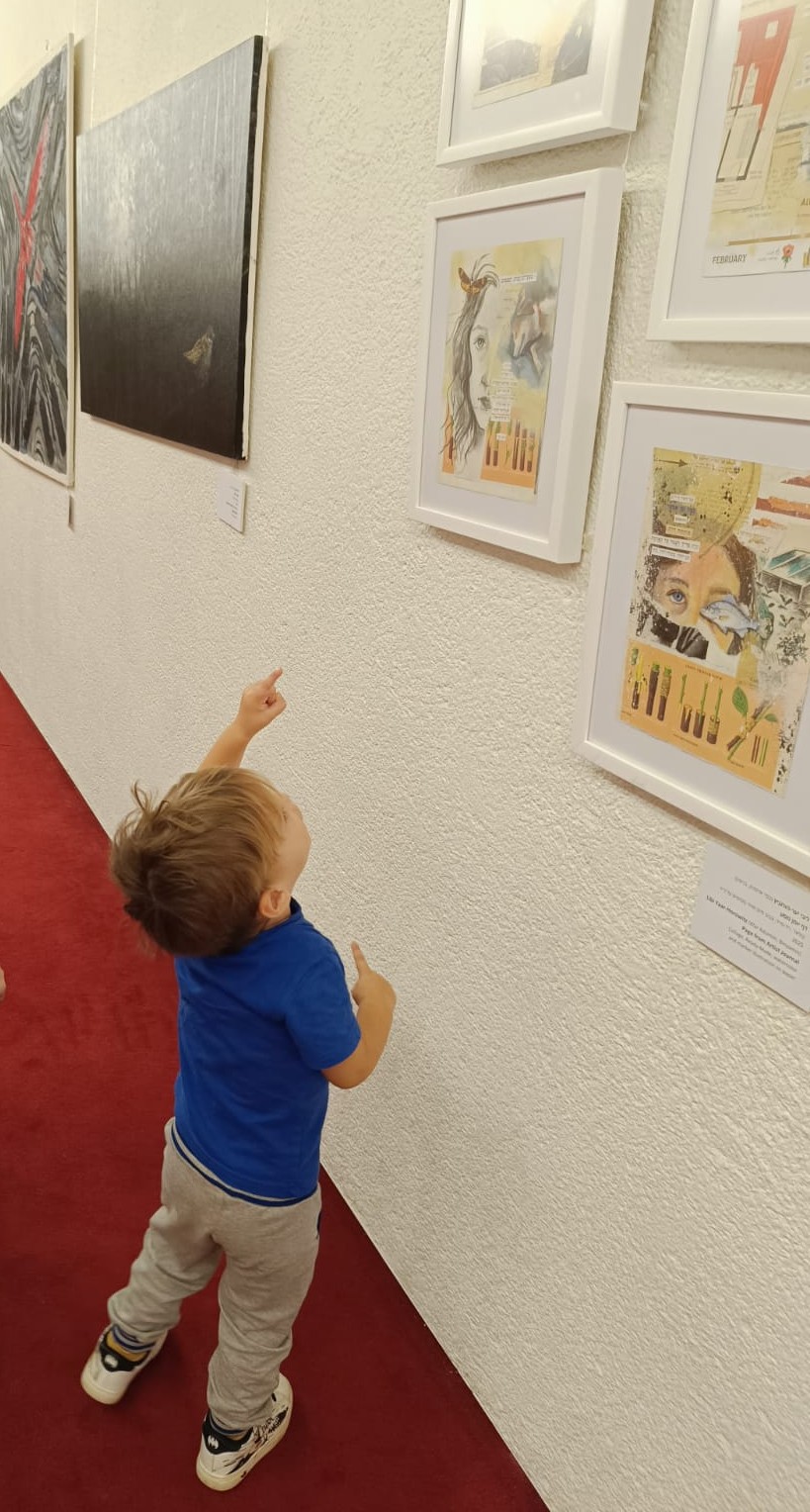
He marched up to a few artworks (by Nir Brand and Nechemia Boaz) and, with a tiny bit of help from the group, shared some surprisingly thoughtful insights. His “lecture” slowly turned into a group conversation as each child chimed in — including my previously shy niece, who suddenly found her voice.
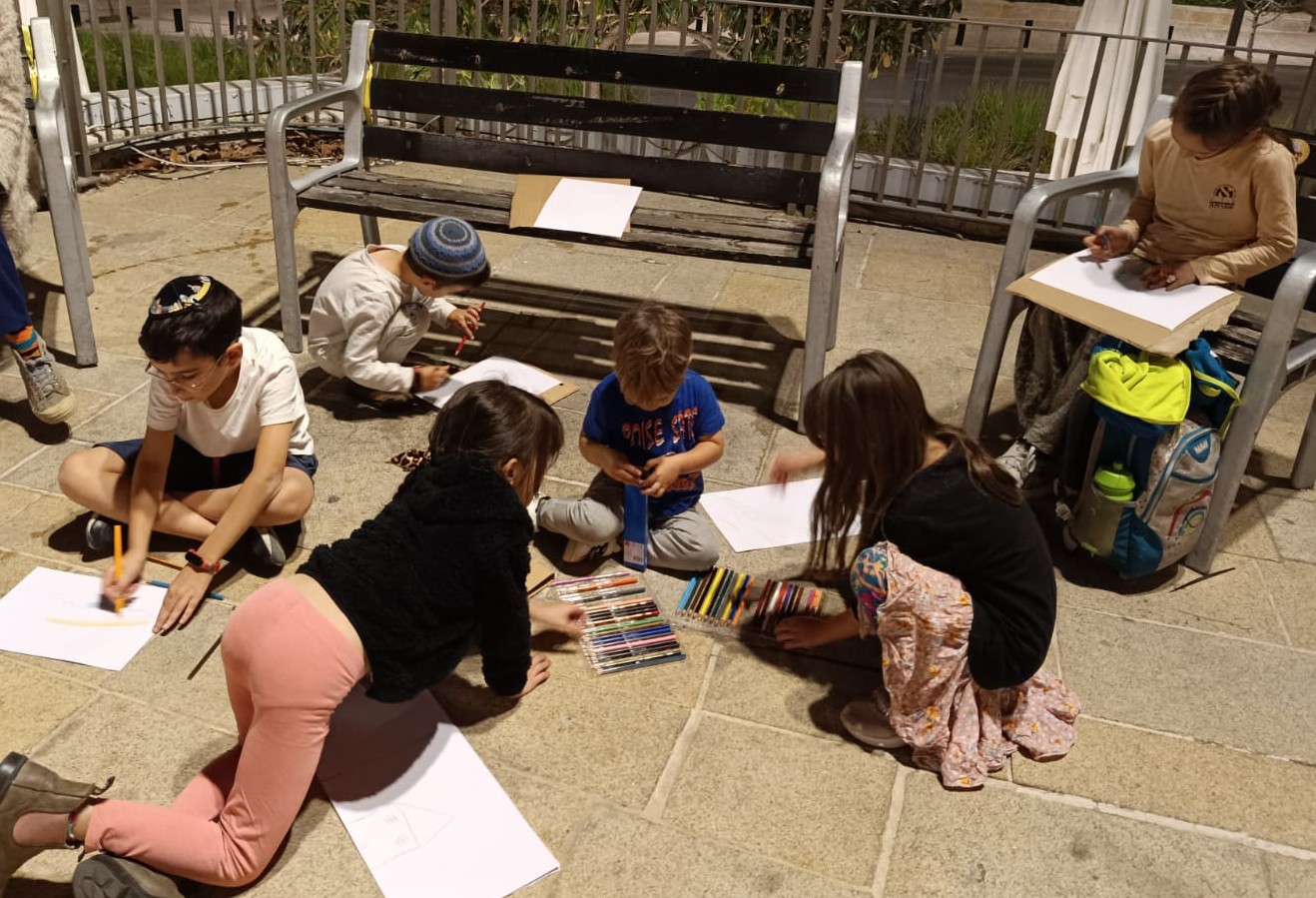
Another thing I’ve learned when taking kids to exhibits is to keep it short. They have long school days, and sitting still and focusing for too long is hard for them. So, when they were done curating, we headed outside.
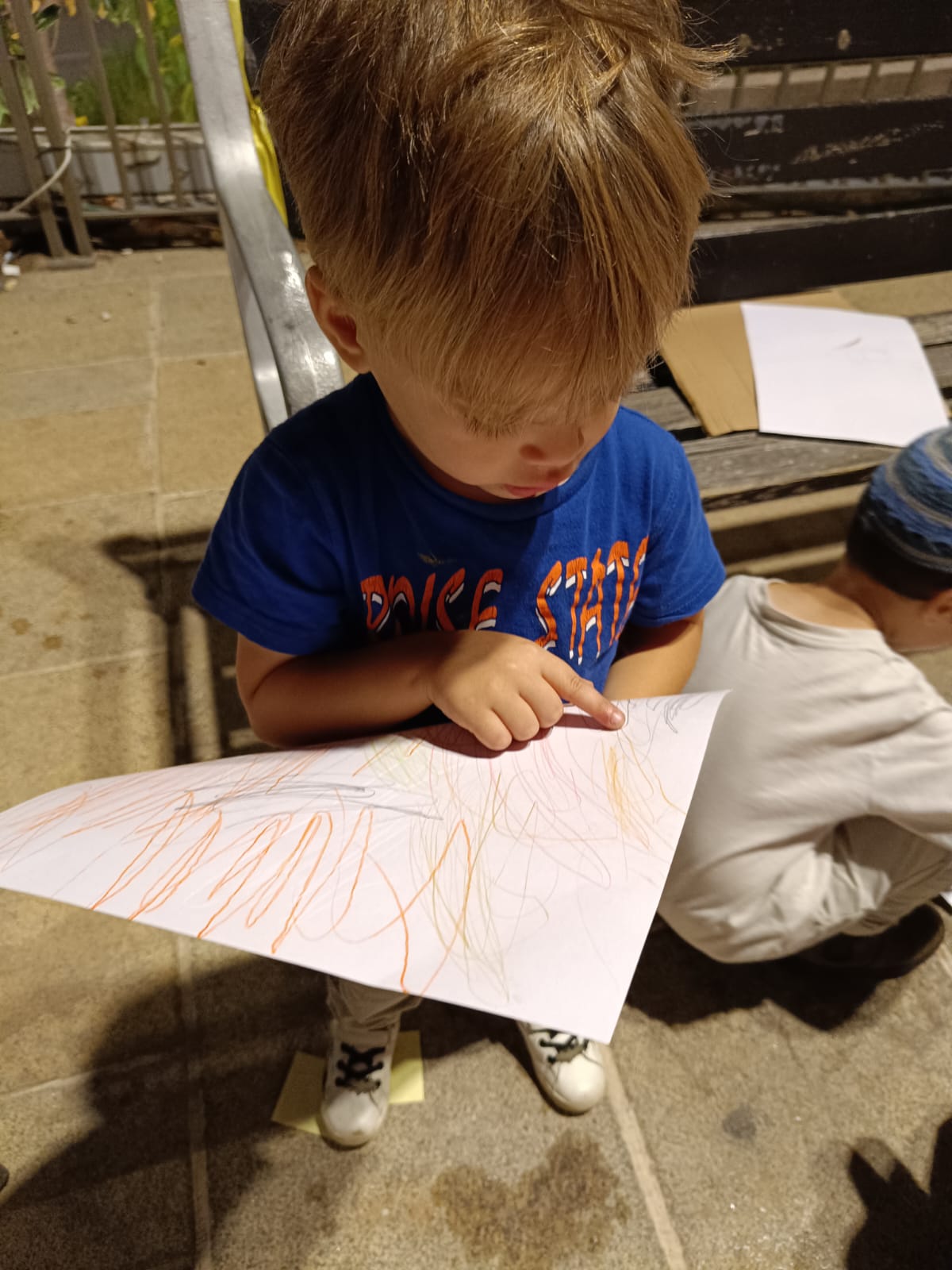
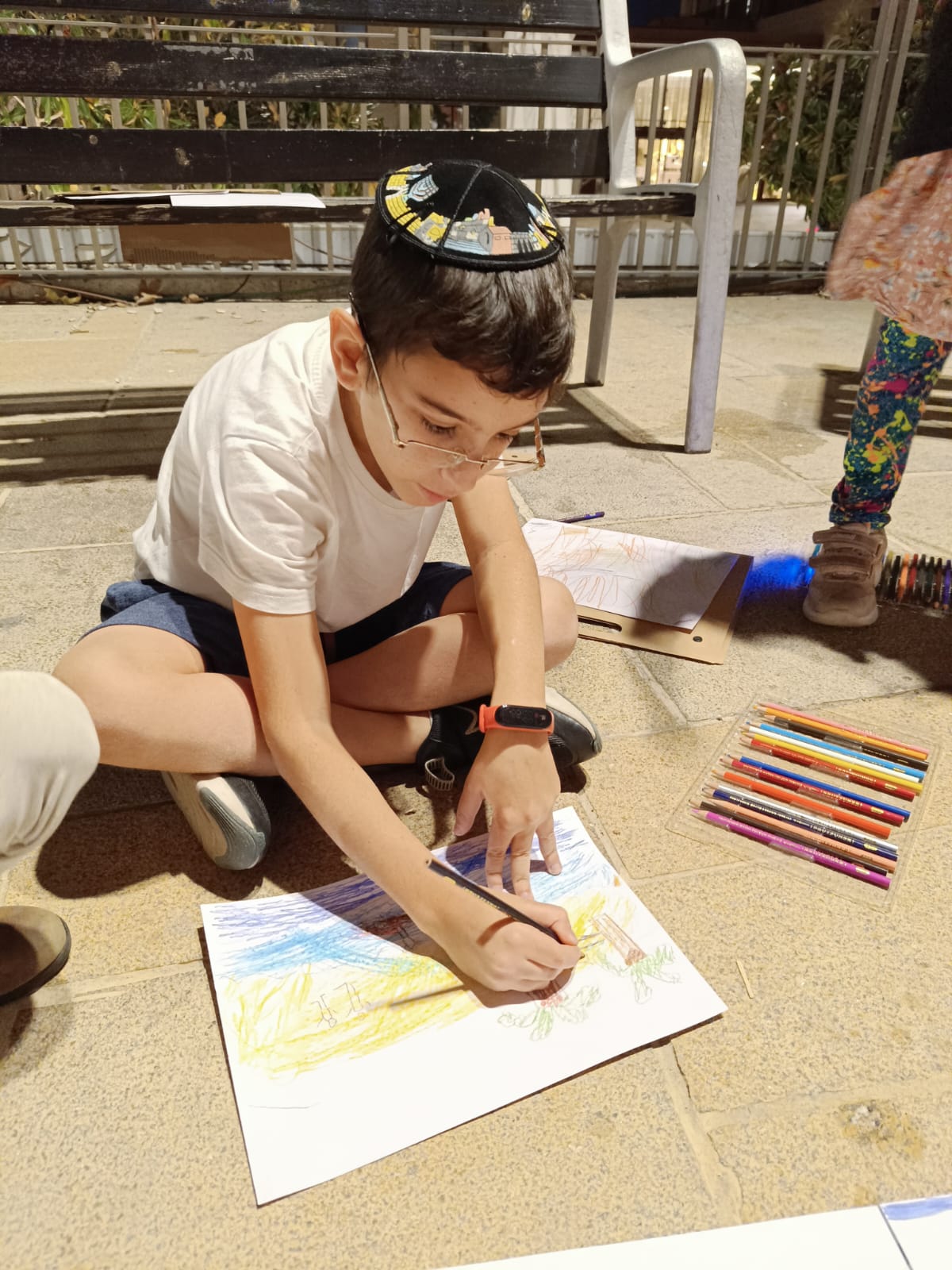
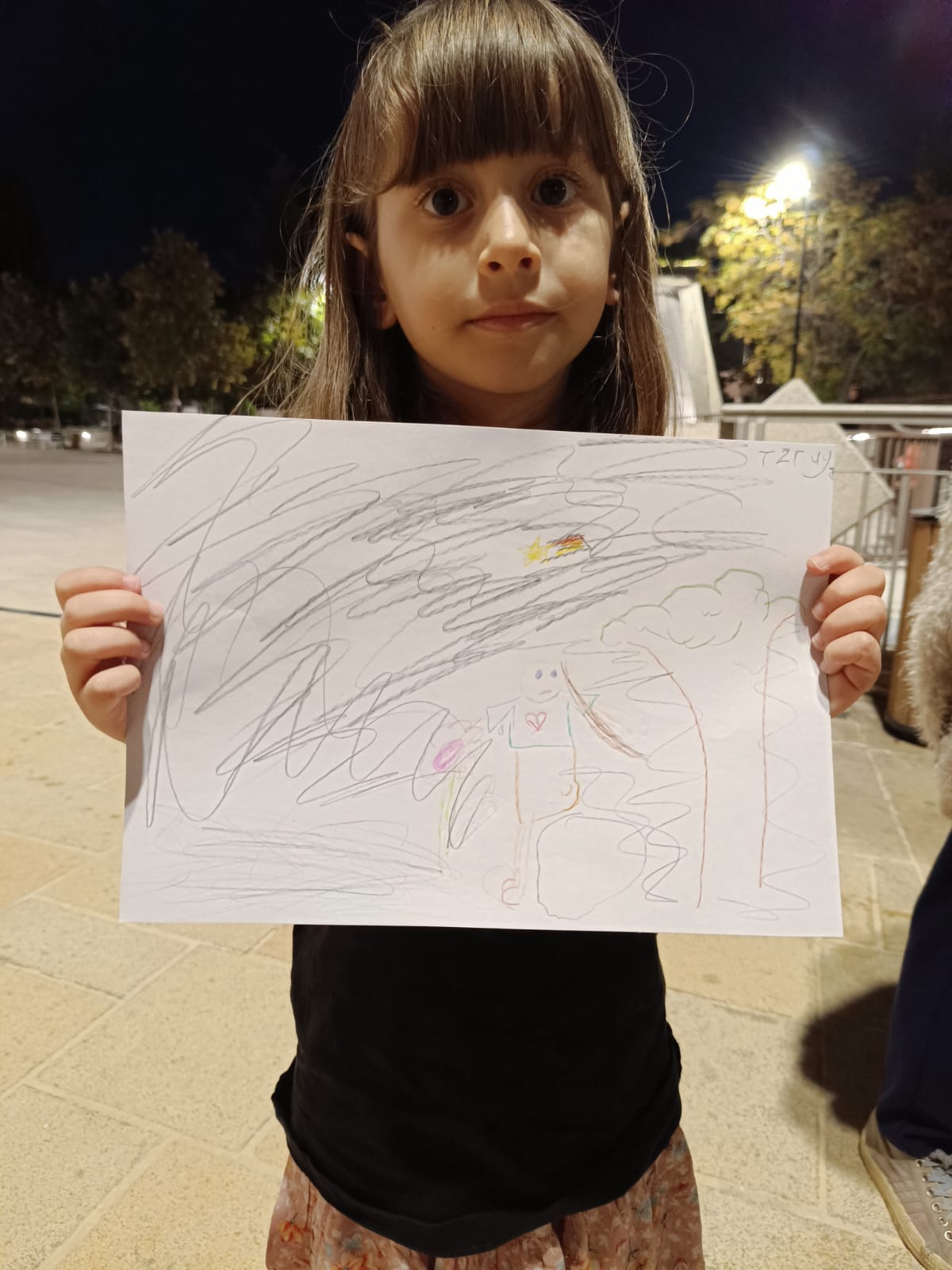
I gave each child colored-pencils and nice paper and asked them to make their own artwork. Some chose to respond to what they saw in the exhibition, and some created something entirely different. All of them had a great time creating.
My 7 year-old had focused deeply on the works that dealt with the war and finding hope. Her drawing was of a woman with a broken heart who had lost someone. I gently asked if she was thinking of the mother of a boy in her class — whose father was murdered in a terror attack during the war — and she quietly confirmed.
Each child created something unique, personal, and completely their own.
It was a beautiful reminder that children can understand complex feelings, that art gives them a safe place to express those emotions, and that when we trust them with real tools and real conversations, they rise to the occasion.
Art isn’t only for adults — it’s a language children learn fluently when we give them the space.
.jpeg)